
Raleigh Springs Civic Center: town center, library, and police station around the lake, Memphis · Photo: Joe Luther
01 — Architecture
Buildings that outlast their origin story
From two hundred schools to the return of the city's most recognizable silhouette, the studio designs buildings meant to be kept: programming, design, documents, and construction administration under one roof.
- 200+
- K-12 schools
- 69
- Years in practice
What we design
Design philosophy
01Modernism is a way of seeing.
Across three generations, modernism has been less a recognizable look than a point of view. A willingness to see life without a filter. We let structure speak instead of disguising it. We seek a natural relationship between a building and its setting, because no work of ours can surpass the architecture already present in nature. The measure is whether what we add can complement it with honesty and grace.
02Firmness, commodity, delight.
Vitruvius still offers the clearest standard. Firmness is what allows a building to stand. Commodity is how completely it serves the purpose and people for which it was made. A beautiful structure that fails its client has still failed. Delight begins beyond those essentials: in the surprising surface, the decisive gesture, or the idea that does more than contain an activity and instead awakens the imagination. Structure and purpose are responsibilities. Delight is what carries them into architecture.
03Boldness with discipline.
The best solutions often arrive as discoveries: a spine asks to become larger, a hierarchy comes into focus, or an unexpected move resolves the whole. We follow those moments. Boldness matters because it can answer a significant problem with equal conviction, but it must always satisfy the requirements that gave the project its reason for being.
04Architecture should be felt.
A building has the power to shape emotion. We want the people inside our work to feel comfortable, happy, inspired. Perhaps even young. That is why we reach for light, color, greenery, openness, and views rather than familiar answers for their own sake. A glass wall is not simply an aesthetic choice; it can connect someone to the beauty outside and make the world feel open.
05Why not?
The question took root in the glass house our founder built for his family in 1959, an uncommon way to live at the time. It became an inheritance: Why not approach the problem uniquely? Why not be daring enough to make it different? That conviction reaches beyond form. Architecture can answer a larger cause, and its highest practice is to do what is right, create a positive difference, and leave people and places better than we found them.
Featured projects
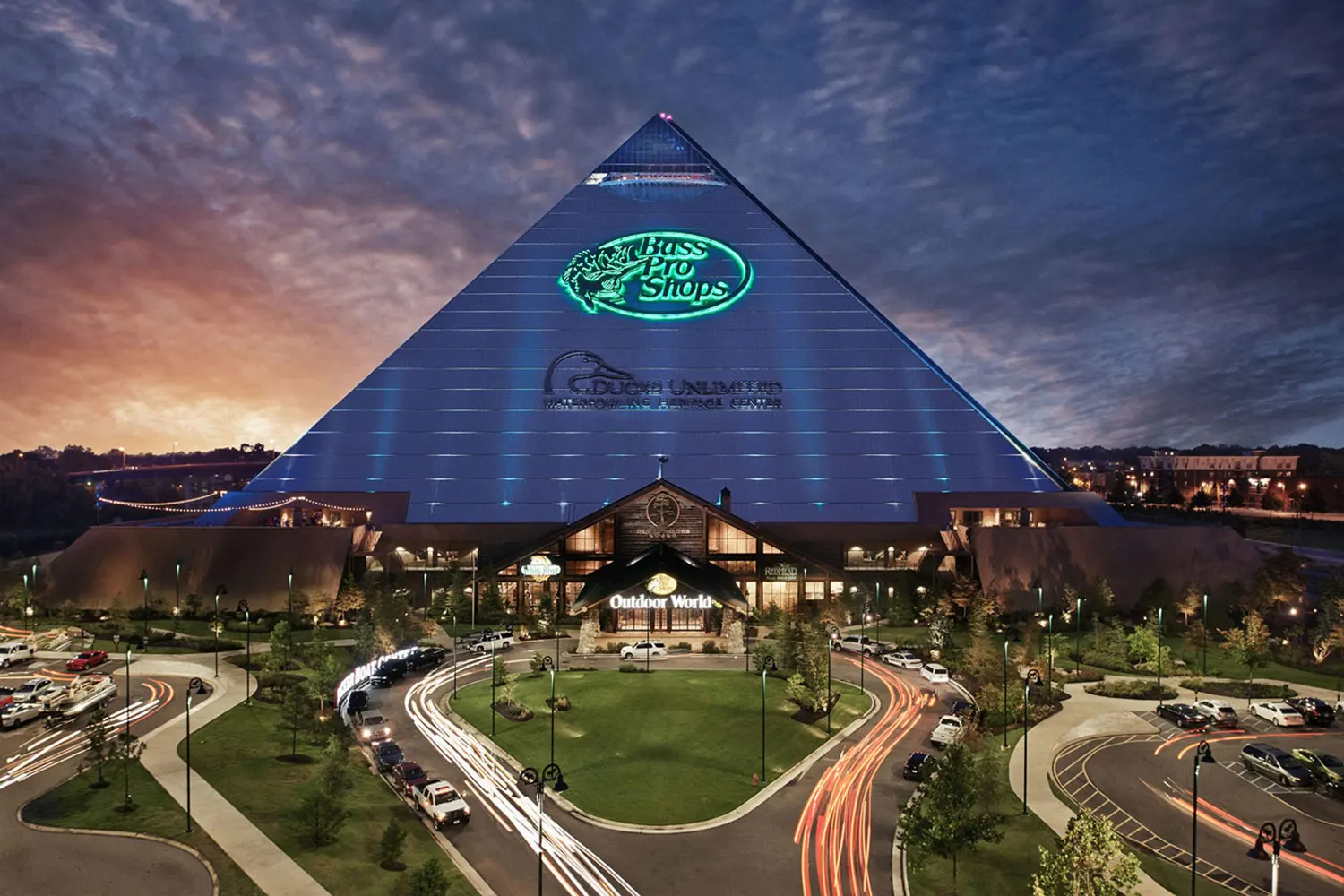
Bass Pro Shops at The Pyramid
Adaptive reuse · 535,000 sf · 2015
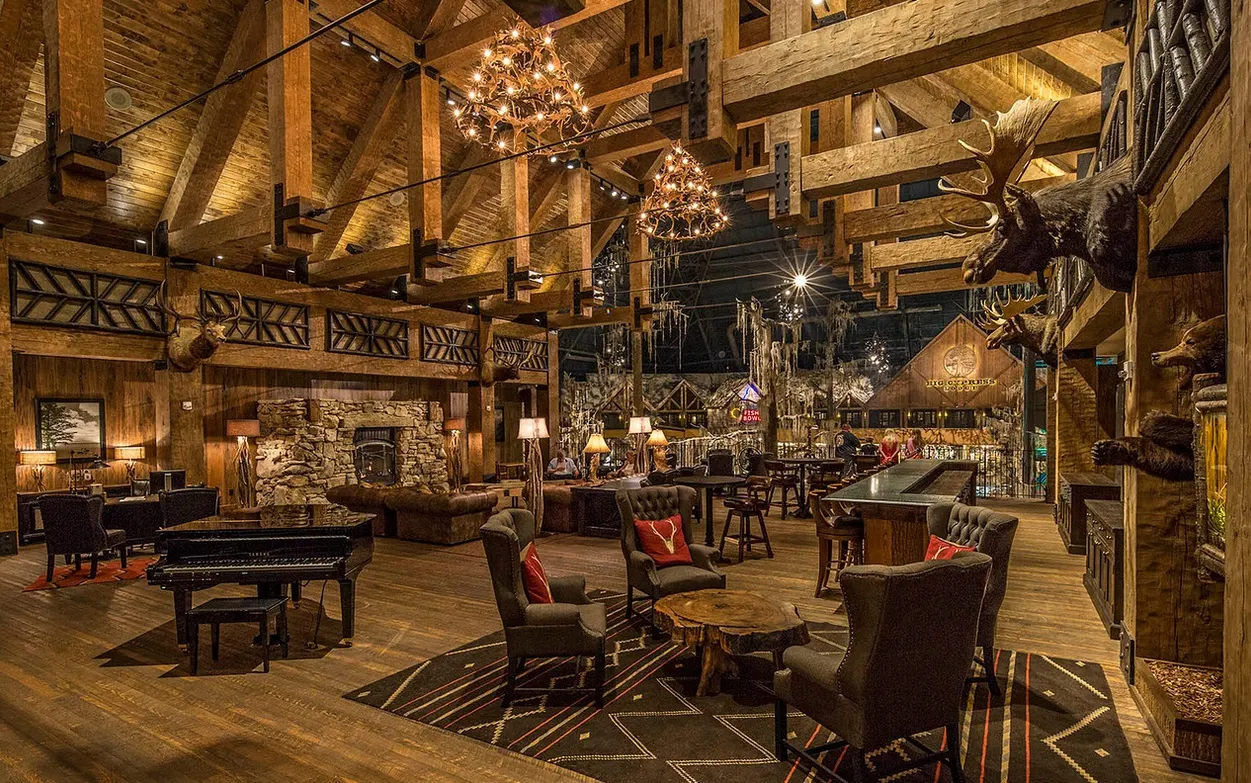
Big Cypress Lodge
Hospitality · The Pyramid · 2015
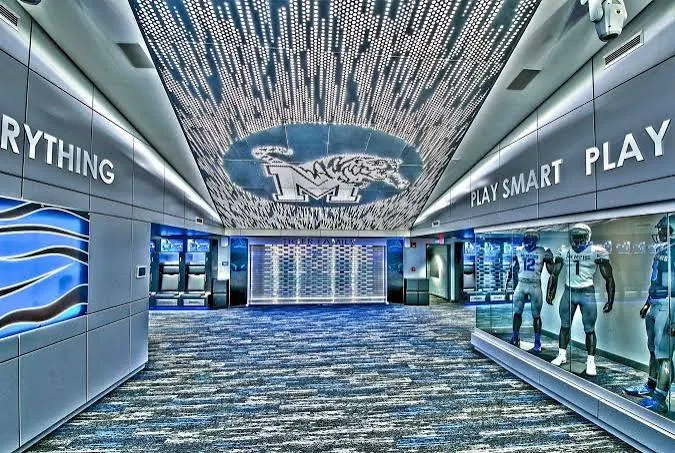
University of Memphis Locker Room
Higher ed · 6,000 sf · 2018
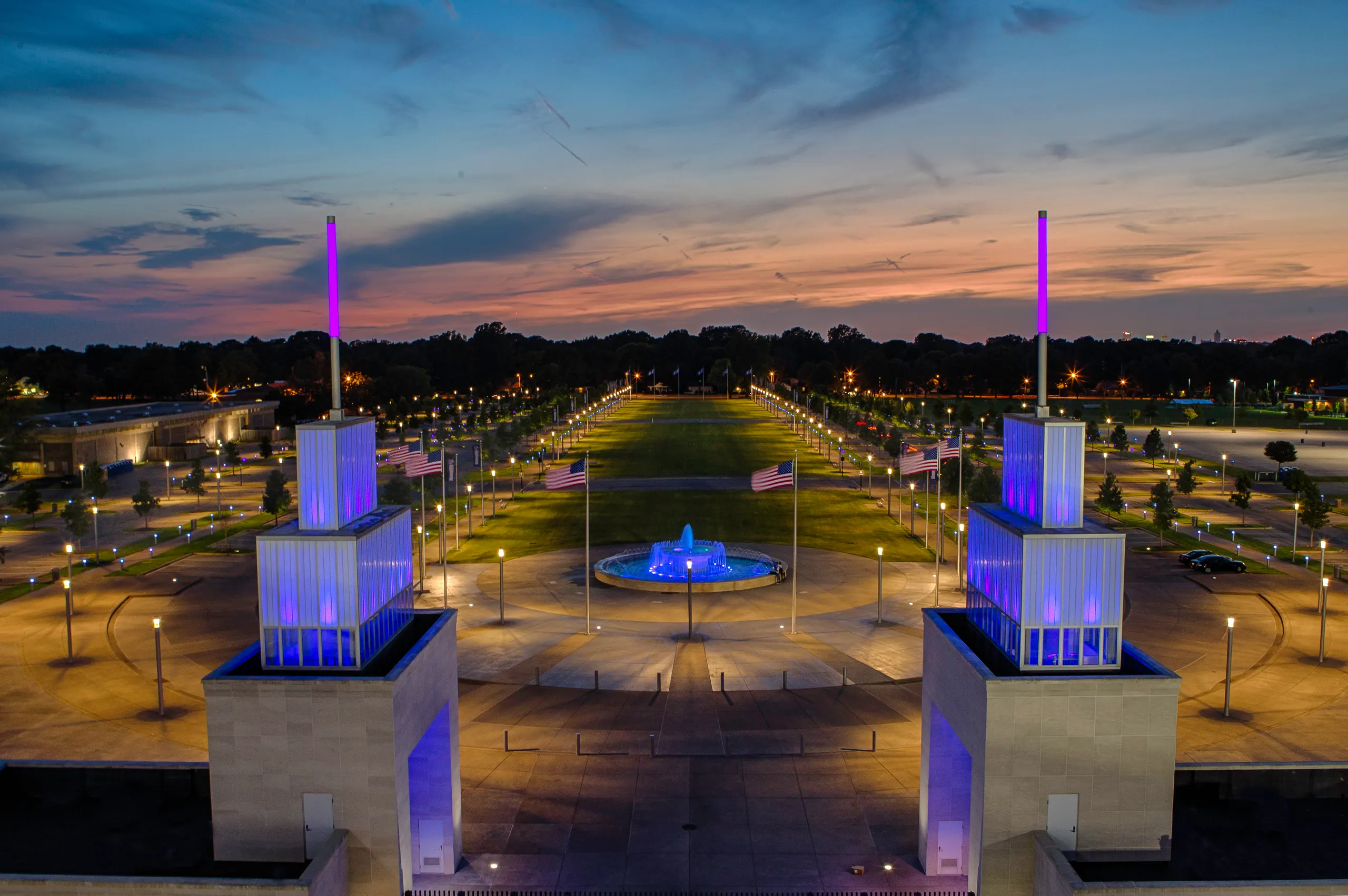
Tiger Lane at Liberty Park
Civic · 28 acres · 2010
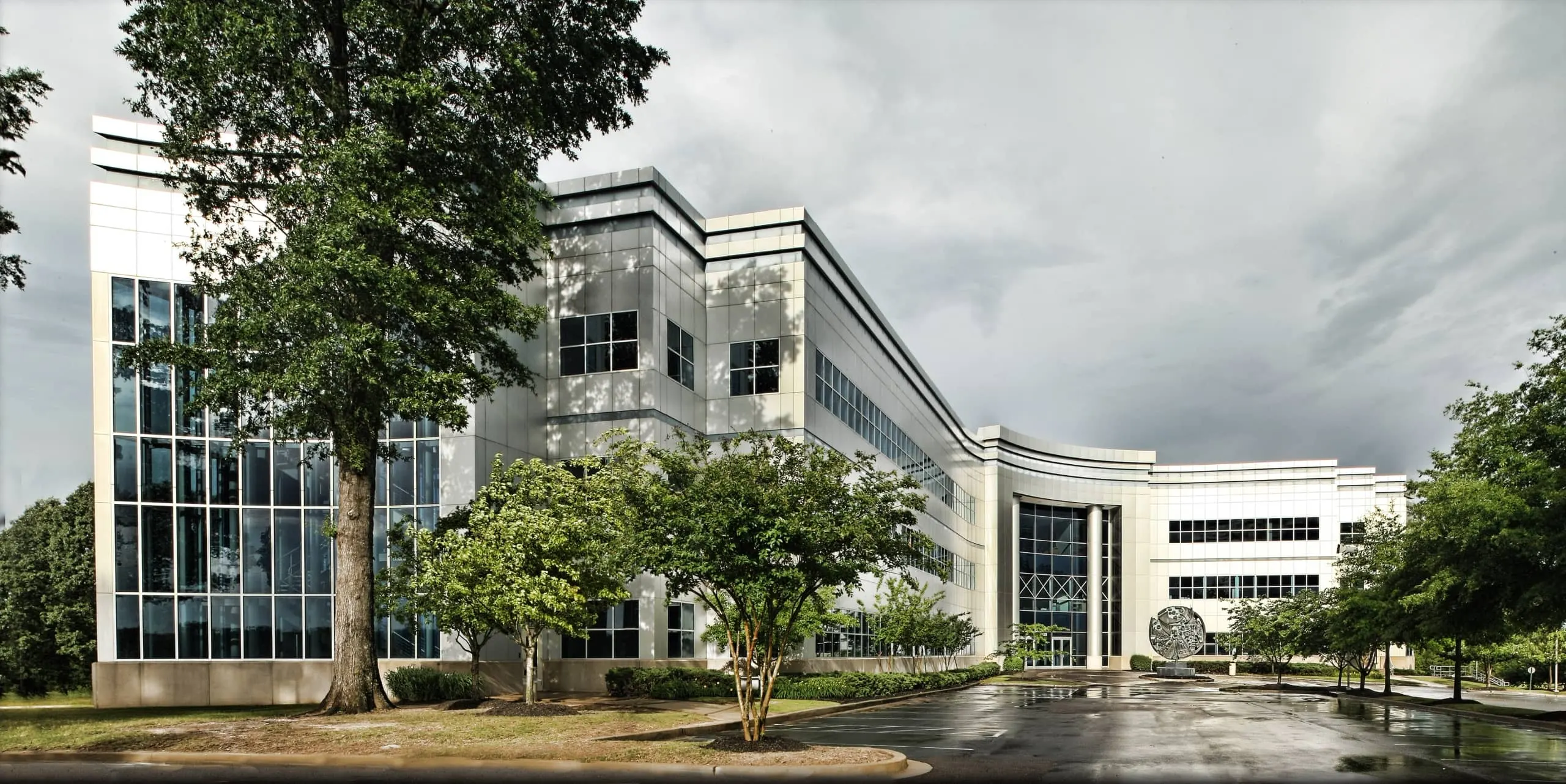
Champion Hills Office Park
Commercial · 84,000 sf · East Memphis
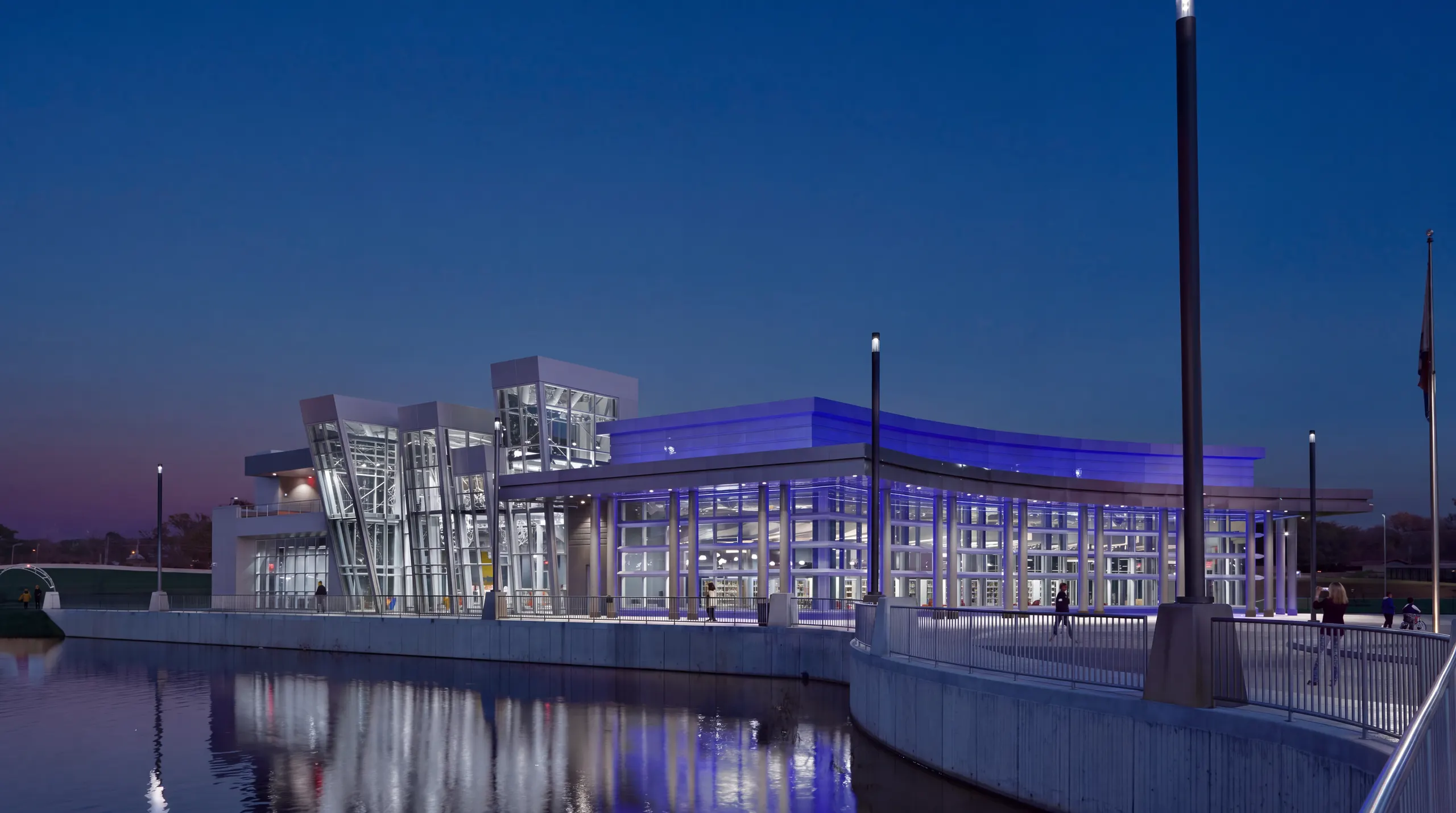
Raleigh Library
Civic · Memphis


